Hospital Core Lab
CLIA high-complexity workflows, peak-hour TAT, LIS bidirectional orders, and lot-level reagent traceability.
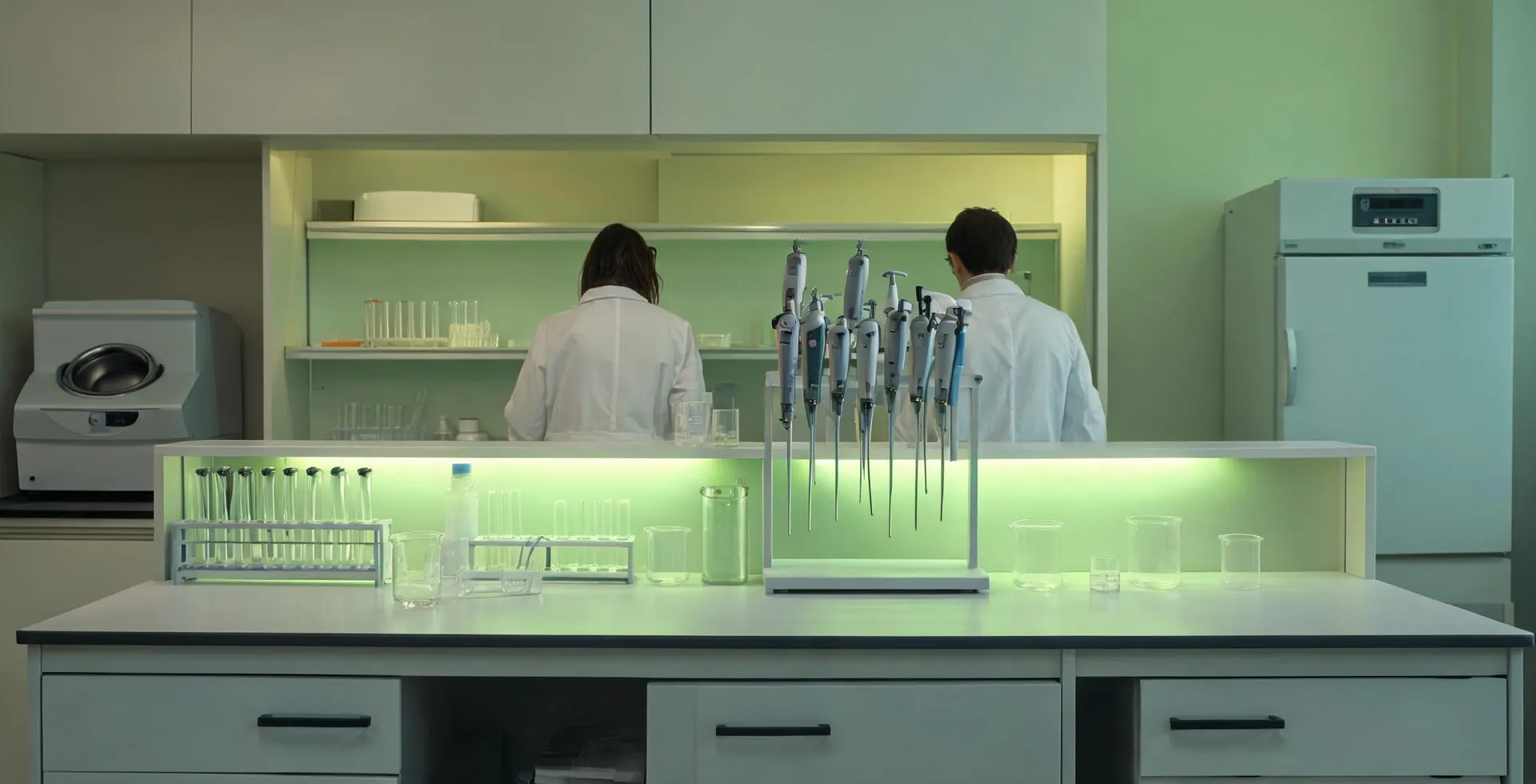
Eppendorf
Connect pipette accuracy, centrifuge duty cycle, incubator environment control, and PCR documentation before your laboratory commits to a configuration.
Care-setting routes
Each setting changes throughput targets, QC cadence, cold-chain burden, and the documents your procurement team will request.
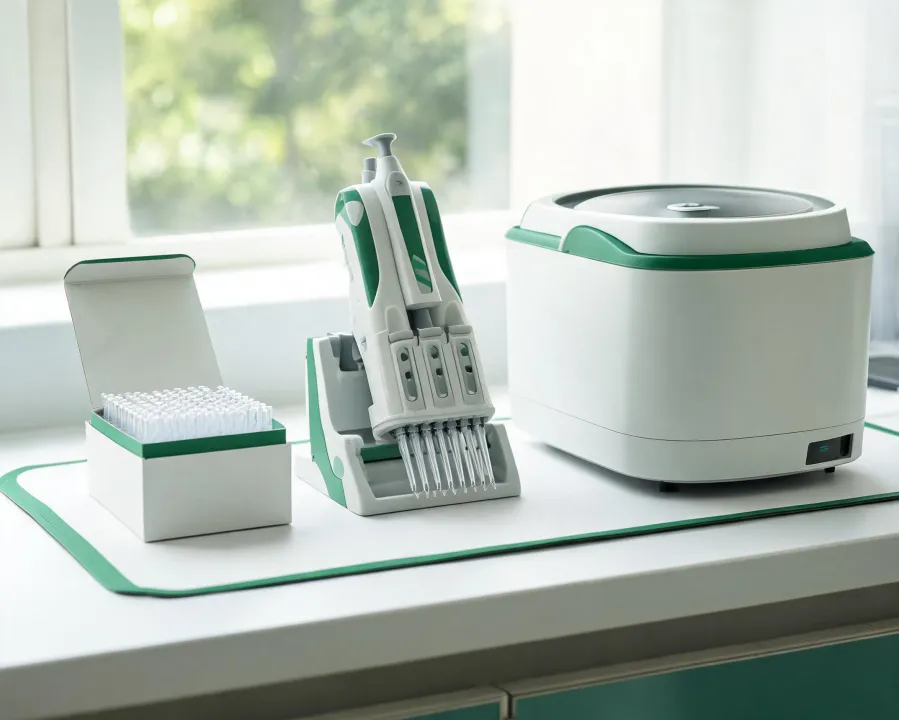
Workflow checkpoints
Map Research Plus or Xplorer volume ranges to assay CV targets under ISO 8655 gravimetric conditions—not brochure claims alone.
Centrifuge selection should state RCF, capacity, refrigeration need, and imbalance tolerance for your daily tube mix.
CO2 incubators need documented recovery time after door openings, plus sensor calibration and decontamination cycles.
PCR suites separate pre- and post-amplification pipettes, tips, and airflow; shared benches create false-positive risk.
Ask for NIST-traceable certificates, acceptance limits, and the next due date that your QMS can file.
Confirm FDA 510(k) clearance or CE IVDR marking by exact reference—never assume a family-wide status.
Procurement FAQ
Centralized core laboratory view: High-throughput centrifugation, automated liquid handling, and CAP/CLIA oversight usually deliver lower cost per test, tighter CV tracking, and a broader overnight menu—especially when analyzer throughput is already in the hundreds of tests per hour.
Distributed point-of-care support view: Compact centrifuges and locked-down pipettes near the ED or clinic cut transport delay and pre-analytical mishandling, but demand operator lockouts, decentralized QC review, and clearer intended-use boundaries. Eppendorf evaluation lists both paths; the right mix depends on TAT goals, staffing, and accreditation scope—not a single default.
Share specimen types, daily volumes, pipette ranges, centrifuge loads, incubator capacity, and the market where devices will operate. We will route a documentation-ready reply.